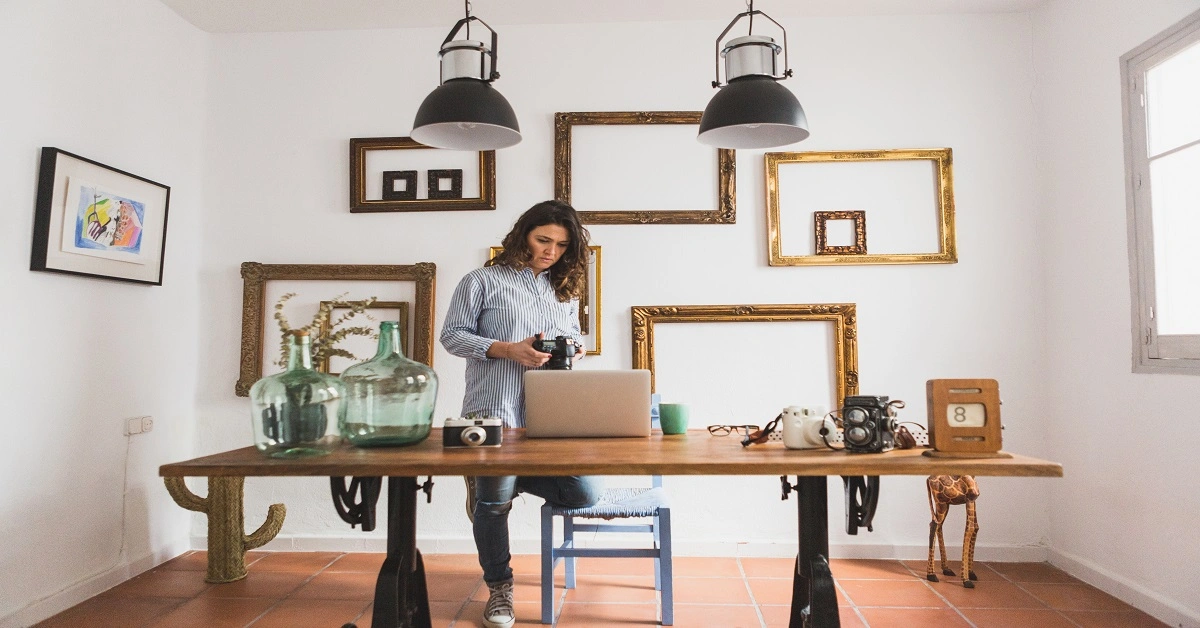
Decorating a home isn’t only about buying expensive furniture or filling rooms with attractive accessories. It’s about creating a comfortable environment that reflects your personality while remaining practical for everyday life. The right decoration tips decoradhouse from decoratoradvice can help homeowners understand how small improvements, thoughtful layouts, suitable colors, and carefully selected accessories can make a noticeable difference.
A well-decorated home should feel welcoming rather than crowded. It should also support the way people actually live. For example, a family room may need comfortable seating and plenty of storage, while a bedroom should encourage relaxation. Similarly, a kitchen needs both beauty and functionality.
The good news is that you don’t have to renovate your entire property to achieve a fresh appearance. Sometimes, changing the lighting, rearranging furniture, adding plants, updating curtains, or introducing a few decorative pieces can completely change the atmosphere.
This guide explores practical home decoration ideas for different rooms, budgets, styles, and lifestyles. Whether you’re decorating a new house or simply refreshing an existing space, these suggestions can give you a useful starting point.
Understanding Modern Home Decoration
Modern home decoration combines appearance, comfort, function, and personal style. Instead of following every trend blindly, homeowners can select ideas that work with their available space and daily routines.
Today’s decorating approach often focuses on simplicity, natural materials, useful furniture, warm colors, indoor plants, layered lighting, and organized spaces. However, modern doesn’t necessarily mean cold or completely minimal. A contemporary room can still contain traditional furniture, handmade accessories, family photographs, or vintage objects.
The most important principle is balance.
A room should have enough decoration to feel interesting but not so much that it becomes visually overwhelming. Likewise, furniture should fill the room without blocking movement.
Why Planning Matters
Planning is one of the most important stages of decorating. Before purchasing anything, consider the room’s size, natural light, existing furniture, purpose, and color scheme.
Start by asking simple questions:
- What will this room mainly be used for?
- How many people regularly use it?
- Where does natural light enter?
- Which furniture pieces must remain?
- What storage problems need to be solved?
- What colors already exist in the room?
- Which decorating style feels comfortable?
Taking measurements is also useful. A beautiful sofa may look perfect in a showroom but become inconvenient if it leaves too little walking space at home.
A simple floor plan can help you experiment with furniture arrangements before moving heavy pieces around.
Choosing a Consistent Style
A home doesn’t need to follow one strict design style. Still, some visual connection between rooms can make the property feel more organized.
For example, you could combine:
- Modern furniture with traditional accessories
- Neutral walls with colorful artwork
- Wooden furniture with contemporary lighting
- Minimalist rooms with handmade decorations
- Natural materials with modern technology
The trick is to repeat certain elements. Similar wood tones, complementary colors, matching metal finishes, or related fabrics can connect different areas.
Decoration Tips Decoradhouse from Decoratoradvice for Every Room
Every room has a different purpose, so the same decoration strategy shouldn’t be applied everywhere. A successful design considers how people use the space.
Living Room Decoration
The living room is often the social center of a home. It should therefore be comfortable, practical, and visually inviting.
Start with the seating arrangement. Instead of pushing every sofa and chair against the walls, consider creating a conversation area. Leave enough space for people to move comfortably between furniture pieces.
A coffee table can become the center of the seating arrangement. Choose one that leaves enough walking space around it.
Layering is another useful technique. Combine:
- A comfortable sofa
- Accent chairs
- Cushions
- A rug
- Curtains
- Wall art
- Indoor plants
- Decorative lighting
Don’t forget the walls. A large artwork can become a focal point, while a collection of smaller frames can create a gallery-style arrangement.
Bedroom Decoration
A bedroom should feel calm and relaxing. Avoid filling it with unnecessary objects.
Begin with the bed because it is usually the largest visual element. Choose bedding in colors that complement the walls and curtains.
Soft lighting can make the bedroom more comfortable at night. Bedside lamps, wall lights, or warm decorative lights can create a relaxing atmosphere.
Storage is equally important. A messy bedroom can quickly lose its peaceful feeling. Use:
- Under-bed storage
- Bedside drawers
- Wardrobes
- Floating shelves
- Storage baskets
- Multi-purpose furniture
A few personal objects, such as photographs, books, or artwork, can make the room feel more individual.
Kitchen Decoration
Kitchen decoration needs to balance beauty and practicality. Countertops should not become overloaded with decorative items because they are working surfaces.
Instead, use useful objects as part of the design. Attractive jars, wooden cutting boards, organized spice containers, or simple countertop plants can add personality without wasting space.
Open shelving can display selected dishes or decorative kitchenware, but it should be kept organized. If every shelf is packed with objects, the kitchen may look cluttered.
Lighting under cabinets can also improve both appearance and visibility.
Bathroom Decoration
Bathrooms can benefit from simple decorative changes.
Fresh towels, a stylish mirror, attractive storage containers, plants suitable for humid environments, and coordinated accessories can make a bathroom feel more polished.
A large mirror can also help a small bathroom appear more spacious. Choose water-resistant materials and avoid placing decorative objects where they may become damaged by moisture.
Entryway Decoration
The entrance creates the first impression of a home. It doesn’t need to be large or expensive.
A practical entryway can include:
- A small console table
- Wall hooks
- A mirror
- A shoe cabinet
- A basket for small items
- A decorative plant
- A simple rug
Creating a small “drop zone” near the entrance can also prevent keys, bags, shoes, and other everyday items from spreading throughout the house.
Color, Lighting, Furniture, and Accessories
Color and lighting have a major influence on how a room feels. Furniture and accessories then complete the visual composition.
Selecting the Right Color Palette
Color selection should begin with the room’s natural light.
Rooms with limited sunlight may benefit from lighter shades because they can help create a brighter visual environment. Rooms with plenty of daylight can accommodate stronger colors more easily.
A simple color strategy is the 60-30-10 approach:
- Around 60% for the dominant color
- Around 30% for a secondary color
- Around 10% for an accent color
This doesn’t have to be followed mathematically. It’s simply a useful guideline for creating balance.
Neutral shades such as beige, cream, white, gray, and soft earthy tones can provide a flexible background. Accent colors can then be introduced through cushions, artwork, rugs, curtains, or decorative objects.
Using Natural and Decorative Lighting
Lighting shouldn’t be treated as an afterthought.
A room can have beautiful furniture but still feel uncomfortable if the lighting is poor. Try to combine several types of lighting instead of depending on a single ceiling fixture.
Ambient lighting provides general illumination.
Task lighting supports activities such as reading, cooking, studying, or working.
Accent lighting highlights artwork, shelves, architectural features, or decorative objects.
Natural light should also be used whenever possible. Keep windows clean and avoid unnecessarily blocking them with heavy furniture or curtains.
Choosing Functional Furniture
Furniture should look attractive, but it should also solve a practical problem.
For smaller homes, multifunctional furniture can be particularly useful. Consider:
- Storage ottomans
- Sofa beds
- Foldable tables
- Beds with drawers
- Wall-mounted desks
- Nesting tables
- Storage benches
Before buying furniture, measure both the room and the entrance path. A piece isn’t useful if it cannot comfortably fit through the doorway.
Adding Mirrors and Wall Art
Mirrors can add depth and reflect available light. They work particularly well in smaller rooms, hallways, bedrooms, and entryways.
Placement matters, though. A mirror shouldn’t simply be placed wherever an empty wall exists. Think about what it will reflect.
Wall art can create a focal point. Choose artwork that connects with your color scheme or personal interests.
Instead of covering every wall, select a few meaningful pieces and give them enough visual space.
Using Plants and Natural Elements
Indoor plants can bring freshness and natural character into a room. If maintaining live plants is difficult, low-maintenance varieties or high-quality artificial plants may be alternatives.
Other natural elements can include:
- Wooden trays
- Woven baskets
- Rattan furniture
- Stone accessories
- Cotton fabrics
- Linen curtains
- Dried flowers
Natural textures can prevent a neutral room from feeling flat.
Budget-Friendly Decoration Ideas
Decorating doesn’t always require a large budget. In fact, some of the most effective improvements involve using what you already own.
DIY Decorative Projects
DIY decoration allows homeowners to create personalized items while controlling costs.
Old cardboard, glass jars, wooden pieces, fabric scraps, cans, buttons, and unused containers can sometimes become useful decorative objects.
For example, an old jar can be cleaned and transformed into a flower vase. Cardboard can be used for wall art or simple organizers. Old fabric can become cushion covers or decorative pieces.
DIY projects are especially useful when you want your home to feel unique rather than copied from a showroom.
Repurposing Old Items
Before throwing something away, consider whether it can be reused.
An old wooden ladder might become a decorative shelf. A vintage frame can be painted and reused around a mirror. Unused jars can become storage containers.
Repurposing reduces waste and can give familiar objects a completely new purpose.
The important thing is to keep the finished result neat. A reused item should look intentional rather than accidental.
Creating Better Storage
Good storage is one of the easiest ways to improve the appearance of a home.
Clutter often makes a room appear smaller than it actually is. Use baskets, boxes, shelves, cabinets, and hidden storage to keep everyday items organized.
Try grouping similar objects together. For example, keep remote controls in one basket, children’s craft materials in another, and cleaning products in an appropriate storage area.
A tidy home doesn’t necessarily need fewer belongings. It often needs better organization.
Common Home Decoration Mistakes
Even attractive decorating ideas can create problems when they’re applied without considering the room.
Avoiding Clutter
One common mistake is adding too many decorative objects.
If every shelf, table, wall, and corner is filled, individual pieces lose their impact.
Instead, select fewer objects and give them breathing room. This creates a cleaner appearance and makes important decorative elements easier to notice.
Maintaining Balance and Proportion
Furniture should match the scale of the room.
A very large sofa can overwhelm a small living room, while tiny furniture can make a large room feel unfinished.
The same principle applies to artwork. A tiny picture may look lost above a large sofa, while an oversized arrangement can dominate a narrow wall.
Balance doesn’t mean everything must match. It means the visual weight of different elements should work together.
Seasonal and Sustainable Decoration
Home decoration can change throughout the year without requiring a complete redesign.
Decorating for Different Seasons
Seasonal decoration can be introduced through small changes.
During warmer months, lighter fabrics and fresh colors can create an airy appearance. During cooler months, textured throws, cushions, rugs, and warm lighting can make rooms feel cozier.
Instead of storing dozens of seasonal decorations, choose versatile pieces that can be reused.
For celebrations, temporary decorations can be added to entryways, dining tables, walls, or windows.
Eco-Friendly Decoration Choices
Sustainable decoration is becoming increasingly relevant for homeowners who want attractive interiors while reducing unnecessary consumption.
Consider buying durable furniture instead of replacing pieces frequently. Repair old furniture when possible. Choose natural or responsibly sourced materials when practical, and reuse decorative objects.
Second-hand furniture can also offer character and reduce the demand for newly manufactured products.
The basic idea is simple: buy thoughtfully, reuse creatively, and avoid unnecessary waste.
Practical Decoration Checklist
Before finishing a decorating project, walk through each room and ask:
| Question | What to Check |
|---|---|
| Is the room functional? | Furniture supports everyday activities |
| Is there enough walking space? | Paths aren’t blocked |
| Is the lighting sufficient? | Ambient, task, and accent lighting work together |
| Is the color scheme balanced? | Colors complement rather than compete |
| Is there too much decoration? | Surfaces have enough breathing room |
| Is storage adequate? | Everyday items have designated places |
| Does the room reflect personality? | Personal details are included |
| Are materials practical? | They suit the room and lifestyle |
| Is the design comfortable? | The space feels welcoming |
| Can anything be reused? | Existing objects are considered before buying |
How to Make Small Changes With a Big Visual Impact
You don’t always need to undertake a major renovation.
Start with one room and identify the most noticeable problem. Perhaps the furniture arrangement feels awkward. Maybe the room is too dark, the walls look empty, or storage is insufficient.
Then make one change at a time.
Move the furniture first. After that, adjust lighting. Add textiles such as cushions or curtains. Finally, introduce artwork, plants, or accessories.
This approach makes it easier to understand which changes actually improve the space.
It also prevents unnecessary spending.
How to Create a Professional-Looking Home
A professional-looking interior isn’t necessarily expensive. Designers often create polished spaces by paying attention to proportion, repetition, texture, lighting, and organization.
For example, repeating one accent color in three different places can make a room feel coordinated. Matching the finish of certain hardware elements can create consistency.
Layering textures is another useful technique. Combine smooth surfaces with woven materials, soft fabrics, wood, glass, or metal.
Most importantly, avoid trying to make every object the star of the room. Choose one or two focal points and let supporting elements complement them.
Frequently Asked Questions
1. What are the most important home decoration tips?
The most important tips include planning the room, choosing a suitable color palette, arranging furniture carefully, improving lighting, controlling clutter, and adding personal decorative elements.
2. How can I decorate my home on a small budget?
Start with changes that cost little or nothing. Rearrange furniture, declutter surfaces, reuse old objects, create DIY decorations, change cushion covers, improve lighting, and add affordable plants.
3. How can I make a small room look bigger?
Use lighter colors, mirrors, appropriate-sized furniture, clear walking paths, and effective storage. Avoid filling the room with unnecessary decorative pieces.
4. Should all rooms have the same decoration style?
No. Rooms can have different personalities. However, repeating colors, materials, textures, or finishes can create a connection between different spaces.
5. What role does lighting play in home decoration?
Lighting affects both appearance and usability. A combination of natural light, ambient lighting, task lighting, and accent lighting can make a room more comfortable and visually attractive.
6. Are indoor plants good for home decoration?
Plants can add color, texture, and natural character. Choose varieties that are suitable for your home’s available light and the amount of care you’re able to provide.
7. How can I avoid making my home look cluttered?
Use storage solutions, remove unnecessary objects, and leave some empty visual space. Instead of displaying everything you own, rotate decorative items occasionally.
8. Is DIY decoration worth trying?
Yes, especially when you want affordable and personalized decoration. DIY projects can also give old or unused materials a new purpose.
9. What should I consider before buying new furniture?
Measure the room and doorways, consider the furniture’s function, check its proportions, and think about how it will work with existing pieces.
10. How often should home decoration be changed?
There’s no fixed schedule. Small seasonal updates can refresh a home, while major changes are best made when your needs, lifestyle, or preferences change.
Final Thoughts
Good home decoration isn’t about following every trend or spending the most money. It’s about making thoughtful choices that improve comfort, organization, function, and visual appeal.
The key decoration tips decoradhouse from decoratoradvice can be applied gradually. Start by planning your space, understand how each room is used, select complementary colors, improve lighting, choose practical furniture, and add personal details.
Don’t be afraid to experiment. Move furniture, try a new arrangement, reuse old items, introduce natural textures, and remove objects that no longer serve a purpose.
A beautiful home is ultimately one that works well for the people who live there. With patience, creativity, and a little planning, even simple changes can produce a fresh and welcoming environment.